
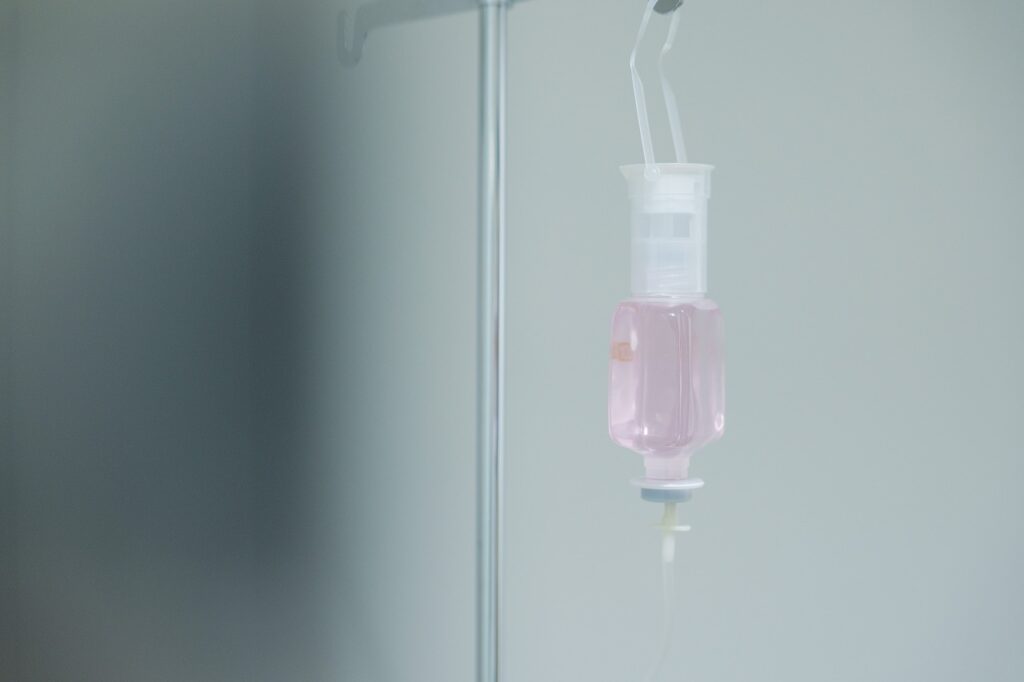
Regenerative Medicine
Stem Cell Supernatant IV Therapy
Conditioned Medium / Secretome Therapy
Stem cell supernatant — also called conditioned medium or secretome — is the fluid left after stem cells have been cultured and then removed. It contains the growth factors, cytokines and extracellular vesicles those cells secreted. It does not contain stem cells.
This page is written for patients who are considering receiving this therapy in Japan, including those travelling from abroad. We have deliberately written it to be useful even if you decide to be treated somewhere other than our clinic, because the single most important factor in this field is not which clinic you choose but whether the product you are given was manufactured and tested properly.
There is a reason we take that position. In Japan, this category of product sits outside the law that governs cell-based regenerative medicine, and the quality of what is sold under the same name varies enormously between facilities. Serious harm from poorly managed preparations has been reported. Before the section on our own protocol, you will find what the published literature and the regulators actually say, and a list of questions we believe you should ask any provider — including us.
AFRODE CLINIC is a preventive medicine clinic in Omotesando, Tokyo. This therapy is elective (self-pay) care using a preparation that has not been approved as a medication in Japan or in any other country. It is not a cure for any disease, and we do not offer it as one.
The basics
What Stem Cell Supernatant Is — and What It Is Not
When mesenchymal stem cells are grown in culture, they release a wide range of signalling molecules into the surrounding medium: growth factors, cytokines, chemokines and extracellular vesicles including exosomes. After the cells themselves are removed and the fluid is filtered and purified, what remains is the supernatant. The working hypothesis behind this therapy is that these secreted signals — rather than the cells — are responsible for much of what stem cells appear to do in tissue repair, and that they can therefore be administered on their own.
What it is
- A cell-free preparation: the cells are removed before use
- A mixture of secreted proteins and extracellular vesicles, not a single defined active ingredient
- Administered intravenously, or by other routes depending on the intended use
- Elective, self-pay care in Japan
What it is not
- Not stem cell therapy: no living cells are administered
- Not an approved medication in Japan, the United States or the EU
- Not a treatment for cancer, neurological disease or any other specific diagnosis
- Not a standardised product: composition differs between manufacturers
Comparison
How It Differs from Stem Cell Therapy
These two are frequently confused, including in clinic marketing. They are regulated differently in Japan, and the difference matters for your safety.
| Stem cell therapy | Stem cell supernatant (this page) | |
|---|---|---|
| What is administered | Living cells, cultured and then given back to the patient | Cell-free fluid containing secreted factors |
| Preparation time | Weeks of culture; usually requires two visits to Japan | Manufactured in advance; can be given during a single visit |
| Japanese regulation | Governed by the Act on the Safety of Regenerative Medicine; the clinic must submit a plan and be registered | Outside the scope of that Act, because no cells are administered |
| Practical consequence | An external review process applies to the treatment plan | Quality depends almost entirely on the manufacturer and on the clinic’s own standards |
You will sometimes see supernatant therapy described as “safer than stem cell therapy” because nothing living is injected. That is a reasonable statement about one category of risk — and a misleading one if it is left there. Removing the cells also removes the regulatory oversight that applies to cells. The risk simply moves: from the biology of the cells to the quality control of the manufacturing.
Before you travel
The Regulatory Reality You Should Know
We would rather you read this from us than discover it after your flight home.
In Japan, this category sits outside the regenerative medicine safety law
Japan’s Act on the Safety of Regenerative Medicine governs the administration of processed cells to patients. Because extracellular vesicles and culture supernatant are not cells, they fall outside the scope of that Act. A 2024 analysis published in Stem Cell Reports put the position plainly: for exosome-based interventions offered as self-pay care in Japan, there is almost no regulation restricting interventions that lack a medical basis. The same paper identified 669 medical facilities in Japan offering exosome-based interventions — overwhelmingly more than in the United States or the EU — and noted that reports of serious adverse events, including a patient death, could not be verified either way because no reporting system covers them.(1)
In April 2025, Kyoto University’s Center for iPS Cell Research and Application (CiRA) similarly noted that cases of improperly managed exosome treatments have been reported to cause severe harm to patients, and pointed to the regulatory gap in Japan as a factor.(2)
No regulator anywhere has approved these products
The U.S. Food and Drug Administration has stated that there are no FDA-approved exosome products, that exosome products intended to treat disease are regulated as drugs and biological products requiring premarket approval, and that it has received reports of serious adverse events — including severe infections — in patients who received unapproved exosome preparations.(3) The same is true in Japan: no supernatant or exosome preparation has been approved as a medication. Any clinic that tells you otherwise, in any country, is telling you something that is not true.
What this means in practice
Two preparations sold under the same words — “stem cell supernatant”, “conditioned medium”, “exosome therapy” — can differ completely in the tissue they came from, whether the donor was screened, whether the manufacturing site is a licensed cell processing facility, whether each lot is tested for viruses, bacteria, endotoxin and mycoplasma, and whether anyone can show you the results. None of that is guaranteed by the label, the price or the interior of the clinic.
This is the part that patients travelling to Japan most often miss. Japan has an excellent reputation in regenerative medicine, and that reputation is deserved in the areas the law actually covers. It does not automatically extend to a category the law does not reach.
A checklist you can use anywhere
Ten Questions to Ask Any Provider
Ask us these questions. Ask any other clinic you are considering the same ones. A provider who cannot answer them in writing, before you pay, has told you what you need to know.
| Question | Why it matters |
|---|---|
| 1. What tissue is the supernatant derived from, and from which species? | Adipose, umbilical cord, dental pulp and bone marrow preparations are not equivalent. Non-human sources exist and carry different risks. |
| 2. Where was it manufactured, and is that facility a licensed cell processing facility? | A facility operating under a formal licence works to documented standards and is inspected. A laboratory that is not, is not. |
| 3. Was the donor screened for infectious disease? | The preparation is derived from human tissue. Donor screening is the first barrier against transmission. |
| 4. Is every lot tested for viruses, sterility, endotoxin and mycoplasma? | These four cover the main routes by which a contaminated preparation causes serious harm. Endotoxin in particular can cause fever and shock. |
| 5. May I see the test report for the lot I will receive? | Testing that cannot be shown to you is an assertion, not a result. |
| 6. How is it stored and transported, and how is the cold chain verified? | Biological preparations degrade. Handling between the factory and your arm is part of the product. |
| 7. What exactly is in the vial besides the supernatant? | Additives, preservatives and diluents vary. You are entitled to know what is being infused. |
| 8. Who administers it, and what happens if I react badly? | Intravenous administration requires a physician present, resuscitation equipment and a plan — not only for the infusion, but for the hours afterwards. |
| 9. What is claimed, and on what evidence? | If a clinic lists specific diseases it can treat with an unapproved preparation, that claim is not supported by approved evidence anywhere in the world. |
| 10. What does it cost in total, and what happens if I need follow-up after I fly home? | Care that ends at the airport is a known problem in cross-border regenerative medicine. |
Our answers
How We Answer Those Questions
The preparation we use is a human adipose-derived mesenchymal stem cell conditioned medium, sourced entirely in Japan and manufactured at a partner cell processing facility. The donor material is screened, the product is manufactured to a documented protocol, and every lot is subjected to four independent tests before release. It carries product liability insurance as a pharmaceutical-grade preparation. Test reports for the lot you will receive can be shown to you on request.
01 Real-time PCR
Human virus testing
Testing for the viruses named in the guidelines on the quality and safety of cell-processed pharmaceutical products, including HIV-1, HIV-2, HCV, HBV, HTLV-1/2 and parvovirus B19. Nucleic acids are extracted by simultaneous DNA/RNA recovery and analysed by real-time PCR.
02 BacT/ALERT
Sterility testing
Testing for aerobic organisms including moulds and for anaerobic bacteria that may proliferate during culture. Samples are inoculated into test media and incubated at 32.7°C for seven days using the BacT/ALERT system, with inhibition confirmation also performed.
03 Endosafe
Endotoxin testing
Endotoxin is a pyrogen capable of causing fever and, at sufficient dose, life-threatening reactions. Samples are applied to Endosafe-PTS cartridges (JP) and measured for spike recovery and endotoxin concentration. This is the test most directly relevant to infusion reactions.
04 MycoSEQ
Mycoplasma testing
Mycoplasma are among the smallest self-replicating organisms and are a classic contaminant of cell culture, invisible to routine inspection. DNA is extracted from the sample and from a positive control spike, and analysed by real-time PCR using the MycoSEQ detection kit.
Administration takes place at our clinic, with a physician present. We do not sell vials for use elsewhere, and we do not administer preparations brought to us by patients from other sources, because we cannot verify how they were manufactured, stored or transported.
Evidence
What Is Known, and What Is Not
We think you are better served by an accurate picture of the evidence than by an enthusiastic one.
What the research supports
That mesenchymal stem cells exert much of their effect through secreted factors rather than by replacing tissue is now a mainstream position in the field, and conditioned medium has been studied as a therapeutic candidate on that basis for well over a decade.(4) In laboratory and animal models, secreted factors from adipose-derived stem cells have been reported to support neural repair and to limit muscle atrophy after nerve injury, shifting the local environment away from fibrosis.(5)(6) Anti-inflammatory, angiogenic and immunomodulatory activity has been described repeatedly in preclinical work.
What the research does not yet support
- There is no approved indication for supernatant or exosome preparations in any major jurisdiction, which means no regulator has judged the evidence sufficient to establish efficacy for a disease.
- Much of the published work is preclinical. Controlled human trials of these preparations are comparatively few, and often small.
- Because composition varies between manufacturers, results reported for one preparation cannot simply be transferred to another. There is no agreed potency standard for the category.
- Long-term outcomes after repeated intravenous administration have not been characterised.
What follows from this is not that the therapy is worthless, but that it should be approached as what it is: an elective intervention with a plausible mechanism, meaningful preclinical support, incomplete clinical evidence, and a real dependence on manufacturing quality. If that description is acceptable to you, it can be discussed sensibly. If you are looking for a treatment for a specific diagnosis, this is not that, and we will tell you so at consultation.
Suitability
Who This May Suit — and What We Do Not Offer It For
Commonly discussed at consultation
- Persistent fatigue and slow recovery from a demanding schedule, where standard investigations have found no treatable cause
- General age-management care, alongside sleep, nutrition and exercise
- Recovery support after intense physical training
- Skin condition and texture as part of a broader plan
- Patients already under our care who wish to add this to an existing preventive programme
These are the reasons patients raise, and areas in which secreted factors have shown activity in preclinical work. They are not proven clinical indications, and we describe them as goals for discussion rather than as outcomes we can promise.
What we do not offer it for
- Cancer, in any form or stage
- Neurological disease such as stroke, spinal cord injury, Parkinson’s disease or dementia
- Cardiac disease, including recovery after myocardial infarction
- Autoimmune and rheumatic disease
- Any condition for which you have been advised to seek established treatment
You will find these conditions listed by some providers. We do not list them, because no approved evidence supports treating them with this preparation, and because pursuing an unproven option instead of an established one can cost a patient time that matters.
Risks
Possible Side Effects and Risks
Any intravenous administration of a biological preparation carries risk. The following are explained by the physician before treatment and form part of your consent.
- Reaction at the infusion site: pain, redness, swelling or bruising
- Fever, chills, headache, nausea or malaise during or after the infusion
- Allergic reaction, including — rarely — anaphylaxis, which can be life-threatening and requires immediate treatment
- Infection associated with intravenous access, and, in the event of a contaminated preparation, systemic infection or sepsis: this is the adverse event reported internationally in association with poorly manufactured products, and the reason lot testing matters
- Fever or shock associated with endotoxin, if a preparation has not been tested for it
- Unknown long-term effects: repeated administration of these preparations has not been studied over long periods, and unrecognised risks cannot be excluded
- No therapeutic benefit: the intervention may produce no change at all
If you develop fever, breathlessness, rash, severe pain or any unexpected symptom after treatment, contact the clinic without delay. If you have already returned to your country, seek local medical care immediately and tell the treating physician exactly what you received; we will provide the record of your treatment on request.
* The above lists the principal risks and is not exhaustive.
Contraindications
Who Should Not Receive This Therapy
- Patients who are pregnant, breastfeeding or may be pregnant
- Patients with a current or recent malignancy, or under active cancer treatment or surveillance
- Patients with an active infection or fever
- Patients with a history of severe allergic reaction to biological preparations or to any component of this product
- Patients with significant organ impairment, or otherwise unstable disease requiring specialist management
- Patients receiving immunosuppressive therapy, unless the treating specialist has been consulted
- Minors
* Even where none of the above applies, we may advise against treatment on the basis of examination, blood tests or your medical history. We would rather decline than proceed without a clear rationale.
Your visit
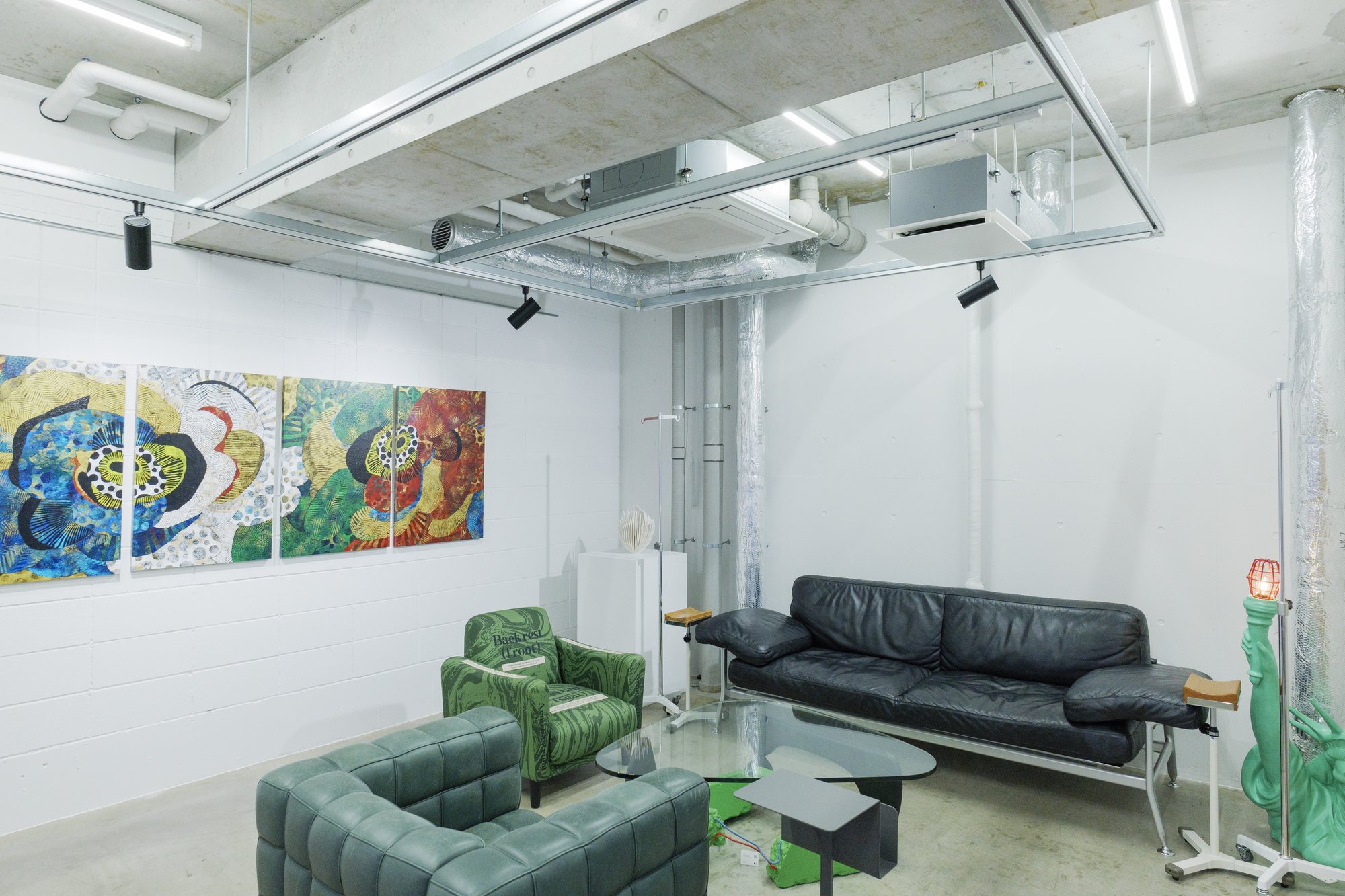
What to Expect if You Are Travelling to Tokyo

| Before you travel | Contact us with your medical history, current medication and what you are hoping to address. We will tell you honestly whether we think this is appropriate for you, and whether we can accept your case, before you book flights. |
| Consultation | Examination and discussion with the physician: suitability, what the preparation is and is not, the risks above, the evidence, and cost. Blood tests may be requested before treatment. |
| Administration | The infusion is given at our clinic in Omotesando with a physician present. No culture period is required, so no second trip to Japan is needed for this therapy. |
| After the infusion | We ask you to remain at the clinic for a period of observation. We advise against flying immediately afterwards on the day of treatment; plan your itinerary with a margin. |
| Records and follow-up | You receive a record of what was administered, including lot information, so that a physician in your own country can act on it if needed. |
| Language | Consultation and consent are conducted in English. Please tell us in advance if you would prefer another language so that we can arrange interpretation. |
Fees for this therapy are provided at consultation. This is elective care, is not covered by Japanese public health insurance or, in most cases, by overseas insurance, and the full cost is borne by the patient.
Planning your visit
How These Fit Together for a Visit to Japan
Most people travelling to us are choosing between two different things, and they are often confused with each other. One is available today and uses donor-derived material; the other starts with your own cells and looks years ahead. They can be combined within a single trip, and the right combination depends on what you are actually trying to achieve.
| If your aim is | What we would usually discuss | What the trip looks like |
|---|---|---|
| Something during this trip — recovery support, fatigue, general age-management care | Stem cell supernatant IV therapy, using a donor-derived preparation manufactured and lot-tested in advance | One visit. Consultation and, if appropriate, administration on the same day. No culture period, so no second trip to Japan. |
| To keep future options open — you are well now and want your own cells preserved while they are younger | iPS cell banking: a single blood draw of about 30 mL, with production and long-term storage by a licensed facility in Kyoto | One short visit for the blood draw. You can continue your itinerary the same day. |
| Both — the most common request from patients travelling a long distance | Consultation covering both, then the blood draw for banking and, if suitable, the supernatant infusion | Can generally be arranged within a single visit. We ask you to allow observation time after any infusion, and not to fly on the day of treatment. |
| To use your own banked cells — iPSF, the supernatant from the cells you stored with us | iPSF administration, in a course agreed with your physician | A return visit from roughly six to eight months after the blood draw. Sessions are planned around your travel. |
All of the above is elective, self-pay care using preparations that are not approved as medications in Japan or elsewhere. None of it is offered as a treatment for a diagnosed condition. Because appropriateness depends on your medical history and current medication, please send us the enquiry form below before you book flights — we would rather tell you that we are not the right clinic for you while you can still change your plans.
FAQ
Frequently Asked Questions
Q1. Is this the same as stem cell therapy?
No. Stem cell therapy administers living cells, usually cultured from the patient over a period of weeks. Stem cell supernatant is the cell-free fluid left after cells have been cultured and removed; it contains the factors those cells secreted, and no cells at all. The two are regulated differently in Japan and carry different risks, which is why we set them side by side above rather than using the terms interchangeably.
Q2. Is it approved by the FDA or by regulators in Japan?
No. There are no approved supernatant or exosome products in Japan, the United States or the EU. The FDA has stated that no exosome product has been approved, that such products intended to treat disease require premarket approval as drugs or biologics, and that it has received reports of serious adverse events following administration of unapproved preparations. In Japan the preparation is used as elective, self-pay care under the physician’s responsibility. Any provider claiming regulatory approval for this category is making a false statement.
Q3. Is this therapy legal in Japan?
It is lawful as elective medical care provided by a licensed physician, but it is important to understand why. Japan’s Act on the Safety of Regenerative Medicine regulates the administration of processed cells; because supernatant and extracellular vesicles are not cells, they fall outside that Act. So the treatment is not prohibited, and it is also not subject to the review process that applies to cell-based therapies. Legality here is not a statement about quality, and should not be read as one.
Q4. What is the downside of exosome and supernatant therapy?
Three things, honestly stated. First, the clinical evidence is incomplete: the mechanism is plausible and preclinical data are substantial, but no regulator has judged efficacy proven for any indication. Second, quality varies widely between manufacturers, and serious harm — including severe infection — has been reported internationally in association with poorly manufactured preparations. Third, long-term effects of repeated administration have not been characterised. A provider who presents this therapy without mentioning any of these is not giving you the full picture.
Q5. How can I tell whether the product I am given is safe?
Ask the ten questions listed above, and ask for answers in writing before you pay. In particular, ask what tissue the preparation is derived from, whether the manufacturing site is a licensed cell processing facility, whether each lot is tested for viruses, sterility, endotoxin and mycoplasma, and whether you may see the test report for your lot. Our preparation is Japan-sourced human adipose-derived conditioned medium, manufactured at a partner cell processing facility, with all four tests performed on every lot and reports available to you on request.
Q6. Can I receive it during a short visit to Tokyo?
Yes. Because the preparation is manufactured in advance, no culture period is required and no second trip to Japan is needed — unlike therapies using your own cultured cells, which typically require two visits. Consultation and administration can take place during a single visit, subject to the physician’s assessment. We do ask you to stay for a period of observation afterwards, and we advise against flying on the day of treatment.
Q7. How many sessions will I need?
There is no established protocol, because there is no approved indication from which a dosing schedule could be derived. Some patients receive a single infusion; others discuss a series. We plan this individually with you, and we will say plainly when we think further sessions are unlikely to add anything. Be cautious of any provider offering a fixed multi-session package before examining you.
Q8. When would I notice anything, and what should I expect?
Reported experiences vary and are largely subjective — most commonly a change in fatigue or sleep over the following weeks. Because this has not been demonstrated in controlled trials for the preparation used here, we do not promise a timeline or an outcome, and we ask you not to build travel or work plans around an expected result. Some patients notice nothing.
Q9. Can it treat my specific medical condition?
We do not offer this therapy as a treatment for cancer, neurological disease, cardiac disease, autoimmune or rheumatic disease, or any condition for which established treatment exists. No approved evidence supports such use, and choosing an unproven option in place of established care can cost time that matters clinically. If you are seeking treatment for a diagnosed condition, we will say so at consultation and, where we can, point you towards appropriate specialist care.
Q10. What does it cost, and is it covered by insurance?
Fees are provided at consultation, and the total cost is confirmed to you before treatment. This is elective care: it is not covered by Japanese public health insurance, and overseas insurers generally do not reimburse unapproved regenerative treatments. Please confirm the total, including consultation and any blood tests, before you travel.
Q11. Do I need a referral to be seen?
AFRODE CLINIC operates on a referral basis, and this therapy falls within that policy. Certain other services — physical therapy, aesthetic procedures, Kampo herbal medicine and nutritional support — may be arranged without a referral. If you are travelling from abroad and do not have a referral, please contact us before booking travel so that we can tell you whether we are able to accept your case.
Q12. How does this differ from iPS cell banking and iPSF?
The therapy on this page uses conditioned medium from donor-derived adipose stem cells, available now. iPS cell banking is a different proposition: iPS cells are created from about 30 mL of your own blood and stored long term, and from roughly six to eight months afterwards, iPSF — the culture supernatant from your own banked cells — can be administered. One is a donor-derived preparation given today; the other begins with your own cells and looks further ahead. Both are unapproved, elective care.
The physician responsible
Who You Will Be Seeing
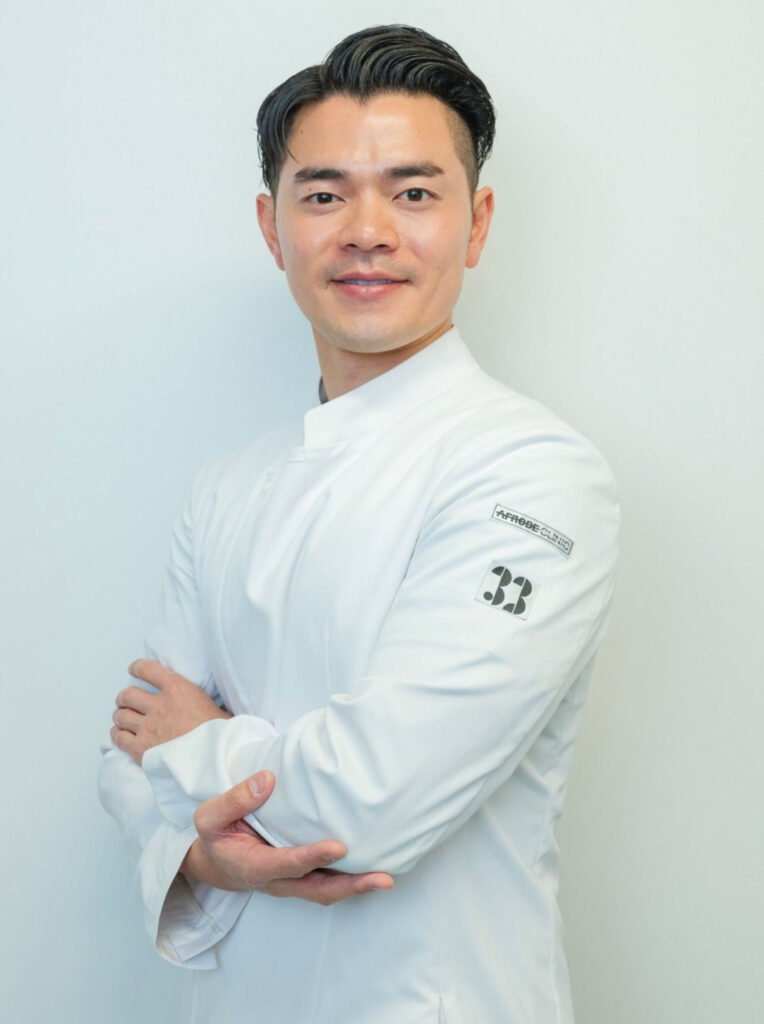
Representative Physician
Dr. Shotaro Michishita
Consultation, the consent discussion and the decision on whether to proceed are handled by Dr. Michishita personally. If we think a therapy is not appropriate for you, he will tell you so directly, and explain why.
| 2015 | Graduated from The Jikei University School of Medicine |
| 2017 | Joined Jikei University Hospital, Department of Neurosurgery |
| 2019 | Founded Re.habilitation Co., Ltd. |
| 2021 | Left Jikei University Hospital |
| 2021 | Representative Physician, AFRODE CLINIC |
Drawing on extensive experience as a neurosurgeon in end-of-life and palliative care, Dr. Michishita established AFRODE CLINIC with the philosophy of maximising the value of living. That background is the reason this clinic is careful about what it claims: he has spent his career close to patients for whom an unfounded promise would have cost something real.
The clinical content of this page has been reviewed by Dr. Michishita. Full team profiles →
References
References
- Fujita M, Hatta T, Ikka T, Onishi T. The urgent need for clear and concise regulations on exosome-based interventions. Stem Cell Reports 2024 Nov;19(11):1517-1519.
- Center for iPS Cell Research and Application (CiRA), Kyoto University. The Expanding Field of Exosome Therapy: Challenges and Regulatory Considerations. CiRA newsletter, 15 April 2025.
- U.S. Food and Drug Administration. Consumer Alert on Regenerative Medicine Products Including Stem Cells and Exosomes; and Public Safety Alert due to Marketing of Unapproved Stem Cell and Exosome Products.
- Pawitan JA. Prospect of stem cell conditioned medium in regenerative medicine. Biomed Res Int 2014;2014:965849.
- Li X, Guan Y, Li C, Zhang T, Meng F, Zhang J, et al. Immunomodulatory effects of mesenchymal stem cells in peripheral nerve injury. Stem Cell Res Ther 2022 Jan 15;13(1):18.
- Wang YH, Guo YC, Wang DR, Liu JY, Pan J. Adipose Stem Cell-Based Clinical Strategy for Neural Regeneration: A Review of Current Opinion. Stem Cells Int 2019 Nov 19;2019:8502370.
This page has been medically reviewed by Dr. Shotaro Michishita, Director of AFRODE CLINIC.
Booking Inquiry
Ask us before you travel
Tell us roughly when you will be in Tokyo, what you are hoping to address, and any medical history or current medication we should know about. A short message is enough — we reply in English by email, and we will tell you honestly whether this is appropriate for you before you book flights.
You can also reach us at procurement@mwp.work or +81-3-5843-0130.
AFRODE CLINIC — BASE Jingumae B1F, 3-5-7 Jingumae, Shibuya-ku, Tokyo 150-0001, Japan (5 minutes from Omotesando Station, Exit A2)
Are you a concierge, travel designer or advisor looking after guests in Japan? See Partner With Us.
Hours & Access | First Visit | Our Team
Related
Thinking further ahead?
If you would like to keep your own cells available for regenerative medicine in the future, see iPS Cell Banking. Banking requires only a single 30 mL blood draw during your stay in Tokyo, and iPSF from your own banked cells can be administered from roughly six to eight months afterwards.